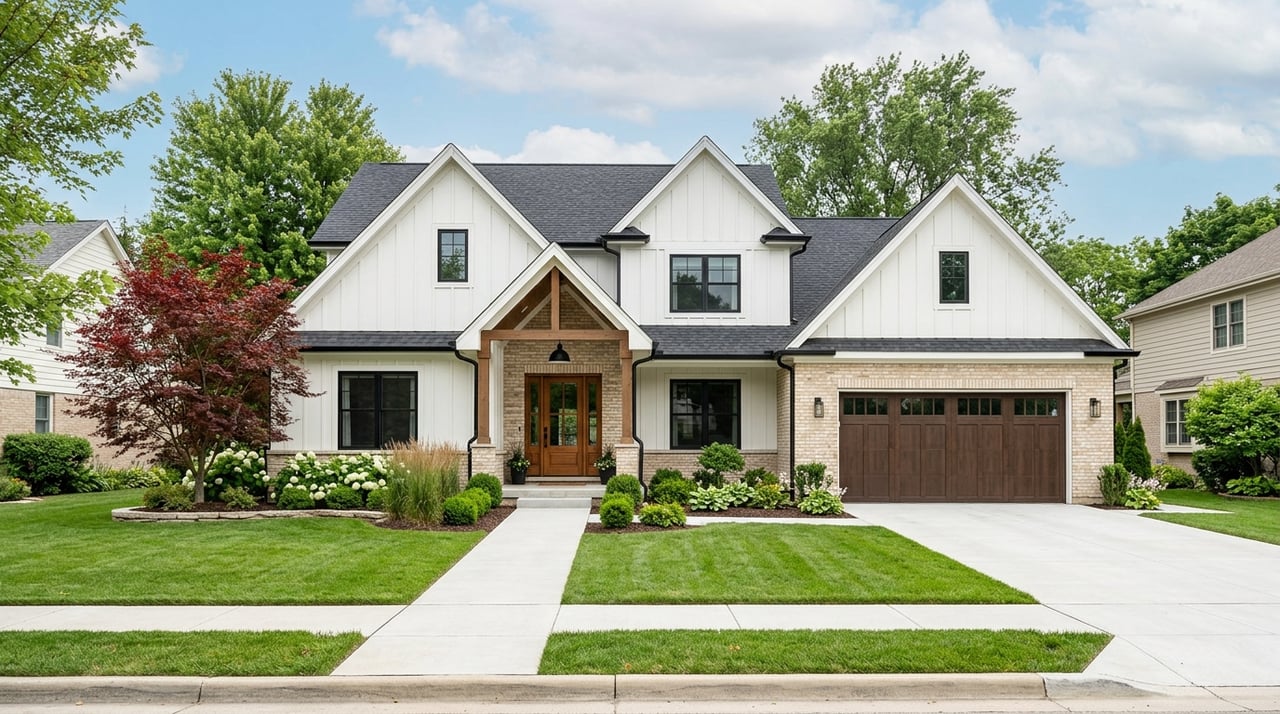
Moving To Ankeny: Neighborhoods, Commutes, And Daily Life
June 11, 2026
June 11, 2026
Wondering what daily life in Ankeny really feels like once the moving boxes are unpacked? If you are considering a move here, you probably want more than a map and a home search. You want to know how the city is laid out, what your commute might look like, and what everyday routines actually feel like. This guide will help you get a practical feel for Ankeny so you can decide where you may fit best. Let’s dive in.
Ankeny combines suburban space with easy access to the Des Moines metro. The city sits along I-35 and U.S. 69, about 7 miles north of downtown Des Moines, which makes it a practical choice for people who want room to spread out without feeling far removed from the metro.
It is also a sizable city in its own right. Ankeny covered 29.14 square miles and had an estimated population of 76,727 in July 2024. That scale shows up in day-to-day life, from the range of housing options to the mix of jobs, shopping areas, and community amenities.
One of the first things to understand about Ankeny is that it does not revolve around one single downtown. The city is easier to understand as a group of activity centers, each with a different feel and function.
The historic core is Uptown, near SW 3rd Avenue west of South Ankeny Boulevard. City planning materials describe Uptown as the closest thing Ankeny has to a traditional downtown, which makes it an important reference point if you want a more established central area.
Prairie Trail is another major identity area. The city describes it as a mixed-use commercial district, with residential growth continuing in and around the development south of the John Deere plant. If you are looking for a newer master-planned feel, this is often one of the first areas people explore.
Beyond those two well-known areas, growth has been strong in the north and northwest. The city’s planning documents also point to expansion east of I-35 as an important direction for future growth, while the southeast side has a more employment-oriented character near I-35 and the regional airport.
That mix is part of what makes Ankeny feel varied. One part of town may feel more established and central, while another may feel newer, more residential, or more tied to employment and major roads.
If you are moving to Ankeny, it helps to think in broad location patterns instead of trying to compare every subdivision all at once. The city’s plans point to a few practical categories that can simplify your search.
The area around Uptown tends to appeal to buyers who want a more central location and a connection to the city’s historic core. It is often the part of Ankeny people picture when they want community events, trail access, and a more established feel.
This area can also make everyday errands and local outings feel simple. AMP, the Ankeny Market & Pavilion, the High Trestle Trail Experience Park, and nearby civic spaces help anchor routines in this part of town.
Prairie Trail stands out as one of Ankeny’s major mixed-use districts. It blends residential growth with commercial space, giving it a more planned and contemporary feel than some of the older central areas.
For many buyers, this area is attractive because it offers a balance of housing and everyday convenience. It also places you near one of the city’s most recognizable newer districts, which can be useful if you want a neighborhood with a strong identity.
Recent residential growth has concentrated in the north and northwest parts of Ankeny. If your home search is focused on newer subdivisions, these areas are often worth close attention.
The city’s zoning map includes neighborhood examples such as Northgate East, Northstar, Otter Creek, Reunion, Trestle Point, Trestle Ridge Estates, Twin Gates, and Willow Run. These names are useful starting points when you begin narrowing your search by age of housing, layout, commute preferences, and nearby amenities.
East of I-35 is an important growth direction in the city’s long-range planning. That makes it a notable area for buyers who want to watch where Ankeny is expanding.
The southeast side feels different from the more residential growth zones because it has a stronger industrial and employment presence. Depending on your priorities, that may affect how you think about traffic patterns, access to work, or the overall feel of a given area.
Ankeny offers more variety than some buyers expect. The city’s zoning framework includes one-family, one- and two-family, multiple-family, planned multiple-family, mobile home, and planned unit development districts.
In plain terms, that means you are not limited to one type of housing. You will find a strong detached-home market, but there are also townhomes, rowhouses, apartments, and condo-style options in parts of the city, especially near mixed-use areas and newer development.
That can be especially helpful if your needs are changing. You may be looking for a first home, a move-up home with more space, or a lower-maintenance property that still keeps you connected to city amenities.
Citywide data also shows Ankeny is mostly owner-occupied. The owner-occupied housing rate is 71.0%, the median owner-occupied home value is $311,300, and median gross rent is $1,279.
Another practical point matters here. The city notes that an Ankeny mailing address does not always mean a property is inside city limits, so it is smart to verify boundaries carefully when comparing neighborhoods and school assignments.
For many movers, commute time is one of the biggest factors in choosing where to live. Ankeny’s location is a major advantage here because it is built around strong regional road access.
The main travel corridors include I-35, U.S. 69 or Ankeny Boulevard, and Iowa 160/415, which includes Oralabor Road and part of SW State Street. The city also highlights major commercial activity along Ankeny Boulevard, 1st Street, and the Oralabor Road and I-35 area, so these routes often shape daily traffic and errands.
Ankeny’s business location materials note access to both I-35 and I-80, along with four major interchanges on I-35. That helps explain why the city works well for people commuting within Ankeny, into Des Moines, or to other parts of the metro.
Census QuickFacts reports a mean commute time of 20.8 minutes for Ankeny workers age 16 and older. That is a useful baseline, though your own experience will depend on your work location and how close you live to major corridors.
Ankeny is also more than a bedroom community. City transportation planning estimated that about 7,000 residents both live and work in Ankeny, around 22% of employed residents work locally, nearly 24,000 people commute into the city each day, and more than 25,000 residents commute out.
That blend matters if you are relocating for work or hoping to shorten your drive. Ankeny supports both patterns, which gives you flexibility when choosing a home.
Ankeny has a broad employment base that supports everyday life in the city. Major employers include Ankeny Community Schools, John Deere Des Moines Works, Casey’s General Stores, Baker Group, DMACC, the City of Ankeny, Perishable Distributors of Iowa, Mom’s Meals, Hy-Vee, and Amazon.
That range spans education, manufacturing, corporate headquarters, distribution, government, and food production. For buyers and relocating households, that means Ankeny is not dependent on one single industry.
Education is another major part of the city’s daily rhythm. Ankeny Community School District says it serves more than 12,600 PreK-12 students across 18 buildings and uses a K-5, 6-7, 8-9, and 10-12 structure.
DMACC’s Ankeny campus is also a major local presence. The city says the campus enrolls about 10,000 students, which adds to the city’s activity, workforce pipeline, and day-to-day movement.
Daily life in Ankeny tends to center on convenience, outdoor access, and community spaces rather than one concentrated nightlife district. If you like a routine that blends commuting ease with parks, trails, and regular local events, Ankeny offers a lot to work with.
The city is especially trail-oriented. Ankeny says it has more than 100 miles of trails, and its transportation plan identifies 12 miles of regional trails that connect people to work, school, recreation, and the broader Greater Des Moines metro trail system.
Regional routes include the High Trestle, Oralabor Gateway, and Gay Lea Wilson trails. For many residents, these are not just recreation features. They are part of how people get around and spend time outdoors during the week.
The High Trestle Trail Experience Park is another standout feature. It stretches 14 acres from West First Street to South Ankeny Boulevard, and the city says trail lighting there supports evening use and access to nearby Uptown shops and entertainment.
AMP is one of the clearest gathering points in town. It serves as a trailhead for the High Trestle Trail and is home to the Uptown Farmers Market, making it an easy reference point for weekend plans and community life.
Seasonal programming adds to that rhythm. Current city examples include Beats & Eats at AMP, free outdoor yoga at Wagner Park, and Movies Under the Stars at the Bandshell.
For warm-weather recreation, the city operates two aquatic centers. Cascade Falls offers a larger feature set and evening lap-swim hours, while Prairie Ridge has more of a neighborhood-style splash-park feel.
The Kirkendall Public Library is another year-round anchor. Along with city events, parks, trails, and community facilities, it helps shape a day-to-day lifestyle that feels active, practical, and connected.
If you are trying to narrow down where to live in Ankeny, start with your daily patterns. The best fit often comes down to how you want your week to function, not just which homes look best online.
A few questions can help:
These are the kinds of details that can make a move feel either smooth or frustrating. Looking at location, home style, and daily routine together usually gives you a much clearer answer.
If you are planning a move to Ankeny and want help sorting through neighborhoods, commute tradeoffs, and housing options, Emina Steward can help you create a focused plan that feels clear and low stress.


Our experienced professionals possess extensive market knowledge and ensure that you receive maximum value for your investment. We pride ourselves on our integrity, professionalism, and outstanding customer service. By combining cutting-edge technology with a personal touch, we offer a seamless real estate experience. When you choose Steward Real Estate Group, you're choosing a team dedicated to making your real estate goals a reality.