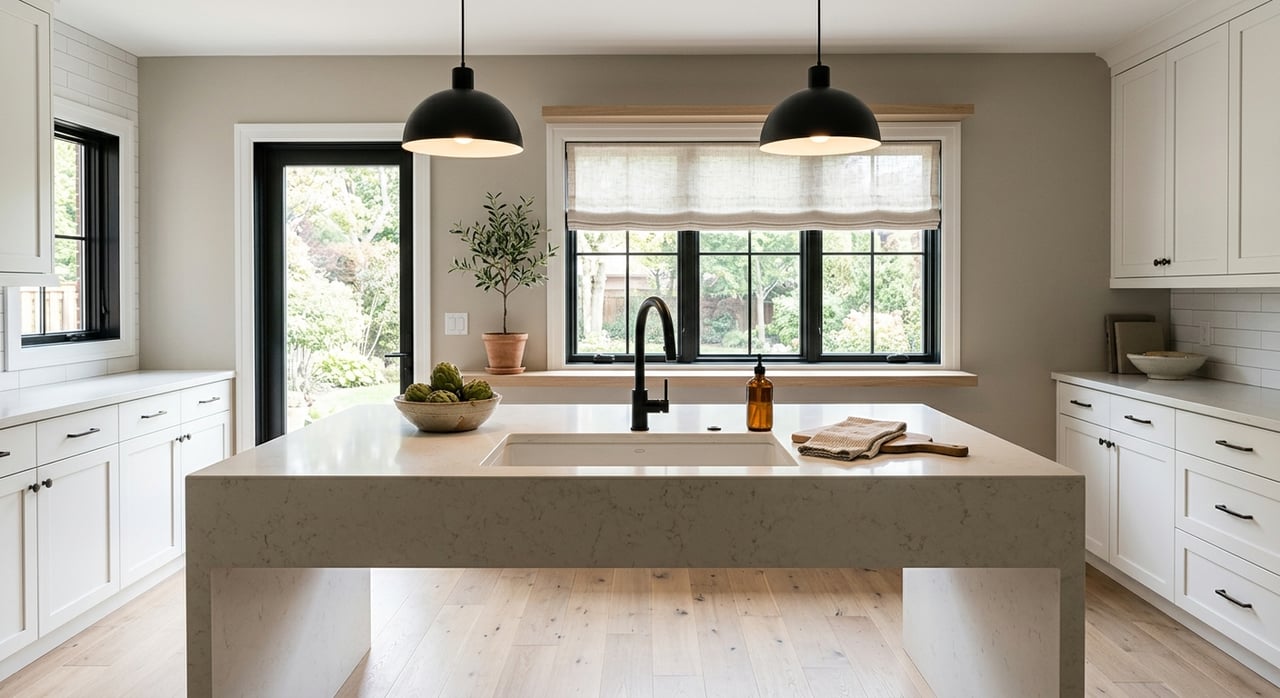
Selling A Home In West Des Moines: Local Market Playbook
May 21, 2026
May 21, 2026
Wondering how to sell your West Des Moines home without leaving money on the table or getting stuck on the market longer than expected? You are not alone. In a market with active demand, more spring inventory, and big price differences from one area to the next, the smartest sellers follow a local plan, not generic advice. This playbook will show you how to price, prepare, and time your sale with more confidence. Let’s dive in.
West Des Moines is active, but it is not a market where every home sells overnight. March 2026 data from Realtor.com described the city as a balanced market, with about 280 homes for sale, a median listing price of $359,950, a 99% sale-to-list ratio, and 54 median days on market. Redfin’s March 2026 closed-sale snapshot showed a $302,000 median sale price, 71 homes sold, and 82 median days on market.
Zillow’s home value index for West Des Moines was $324,340 as of April 30, 2026, with homes going pending in about 29 days. These numbers use different methods, so they should not be read as exact apples-to-apples comparisons. The bigger takeaway is simple: buyers are active, but strong pricing and presentation still matter.
At the metro level, spring activity picked up. Metro MLS reported that in March 2026, new listings were up 20.3% year over year, pending sales were up 15.3%, closed sales were up 11.9%, and inventory was up 16.5%. For you as a seller, that means more opportunity, but also more competition.
One of the biggest pricing mistakes sellers make is leaning too hard on broad city averages. West Des Moines has a wide range of price points depending on the area. Realtor.com neighborhood snapshots showed Glen Oaks Country Club around $1,249,900, Quail Park around $502,500, Southwoods Knolls around $299,900, Fairmeadows around $299,450, and Valley Junction around $225,000.
That spread is exactly why a neighborhood-specific comparative market analysis matters. Your home should be compared to recent nearby closed sales with similar size, style, condition, and features. A citywide median can give you context, but it should not set your asking price.
Fannie Mae notes that the best comparable sales come from the subject property’s market area and should share similar physical and legal characteristics. The CFPB also explains that valuations work by comparing similar homes from the same area and adjusting for differences. In practice, that means your pricing conversation should focus on local comps, updates, lot characteristics, condition, and any concessions in recent sales.
When you sit down with a listing agent, ask how they will narrow the comp pool. In West Des Moines, that should usually include:
This matters because list-price discipline is still showing up in the numbers. Realtor.com reported a 99% sale-to-list ratio, and Metro MLS showed 100.5% original-list-price received across the metro in March 2026. In other words, close pricing can work well, but only when the number is grounded in the right local data.
A good launch starts before your listing goes live. Most sellers do not need a full remodel to make a stronger impression. More often, the best return comes from removing the small issues that buyers notice right away in photos, showings, and inspections.
Realtor.com’s seller prep guidance recommends decluttering visible surfaces and storage spaces, depersonalizing the home, repainting in neutral tones, touching up scuffs, cleaning thoroughly, hiding valuables, and considering professional staging. These are practical updates that can help your home feel more spacious, clean, and move-in ready.
Staging still has value in 2026. According to NAR’s 2025 staging survey, 83% of buyers’ agents said staging made it easier for buyers to visualize a property as their future home. The most commonly staged rooms were the living room, primary bedroom, and dining room.
If you are deciding where to spend time and money, start with the spaces buyers tend to notice first:
You do not need every room to look perfect. You do want the home to photograph well, feel cared for, and make it easy for buyers to picture daily life there.
A pre-listing walkthrough can help you spot issues before a buyer does. Realtor.com’s seller inspection checklist highlights common problem areas such as the roof, chimney, gutters, siding, windows, standing water, sagging or cracked ceilings, warped floors, leaning walls, and leaks near sinks or other water sources.
That does not mean you need to tackle every possible repair. It does mean you should address visible and manageable issues that could raise red flags. Small fixes made early can help reduce negotiation pressure later.
In many cases, the goal is not perfection. The goal is fewer objections. A loose gutter, stained ceiling spot, or dripping faucet may seem minor, but buyers often stack those details together when deciding how well a home has been maintained.
In Iowa, seller disclosures are not something to leave until the last minute. State law says a written disclosure statement must be delivered before you make or accept a written offer. The statement must disclose known conditions and important characteristics of the property, including significant structural defects and lead service lines, and it may also require details about zoning, plumbing, heating, electrical systems, or pests.
If your home was built before 1978, federal law also requires disclosure of any known lead-based paint hazard. For older homes in West Des Moines, that is an important part of the listing prep process.
The practical lesson is to gather information early. If you wait until an offer is already forming, disclosure questions can slow things down or create avoidable stress.
Spring can bring more buyers, but it also brings more listings. Metro MLS reported year-over-year gains in both new listings and pending sales in March 2026, which means buyers have choices and may move quickly from one option to the next.
That is why show-ready planning matters. If your home is hard to show, available only at limited times, or not photo-ready when interest picks up, you can lose momentum. Early listing momentum is often shaped by how smoothly the first week goes.
Before your home hits the market, try to have these details squared away:
The easier it is for buyers to tour the home, the more likely you are to capture serious interest while your listing is still fresh.
For many sellers, the hardest part is not selling the current home. It is lining up what happens next. If you need to buy another home after selling, your timing strategy matters.
The CFPB says homeowners normally try to sell their current home first before buying another one. NAR’s bridge-loan guidance explains that a bridge loan may allow a buyer to tap existing home equity to avoid a sale contingency when purchasing the next home. NAR also notes that if a seller accepts a home-sale or home-close contingency, the seller can ask to continue showing the property, and any rent-back clause should clearly spell out compensation and move-out dates.
For many West Des Moines sellers, the main options are:
The right path depends on your finances, timeline, and risk tolerance. What matters most is having that conversation before you accept an offer, not after.
Your sale price is only part of the story. To estimate what you may actually walk away with, build a net sheet early in the process.
Iowa’s real estate transfer tax is $0.80 for each $500 increment of consideration, and it is paid when the deed or other conveyance is presented for recording. Property tax rates also vary by locality and include county, city, school district, and special levies. That is why an early net sheet can be more useful than a rough guess based only on price.
When you understand your likely costs upfront, it becomes easier to plan your next purchase, moving budget, and timeline with fewer surprises.
If you want a practical way to think about the process, keep it simple. In this market, the strongest seller strategy is usually to price from recent local comps, prep the home where buyers notice it most, fix easy inspection issues, stay ready for showings, and make a plan for your next move before offers come in.
That approach fits the current West Des Moines market well. Homes are still moving, but buyers have choices, and neighborhood differences are significant. A thoughtful plan can help you protect value and reduce stress at the same time.
If you are thinking about selling in West Des Moines and want clear local guidance, Emina Steward can help you build a strategy that fits your home, your timing, and your next move.

Unlock the secrets to a seamless home buying experience with our expert guide.
Our experienced professionals possess extensive market knowledge and ensure that you receive maximum value for your investment. We pride ourselves on our integrity, professionalism, and outstanding customer service. By combining cutting-edge technology with a personal touch, we offer a seamless real estate experience. When you choose Steward Real Estate Group, you're choosing a team dedicated to making your real estate goals a reality.